For plants replacing fossil gas
You want to replace fossil gas without shutting down production.
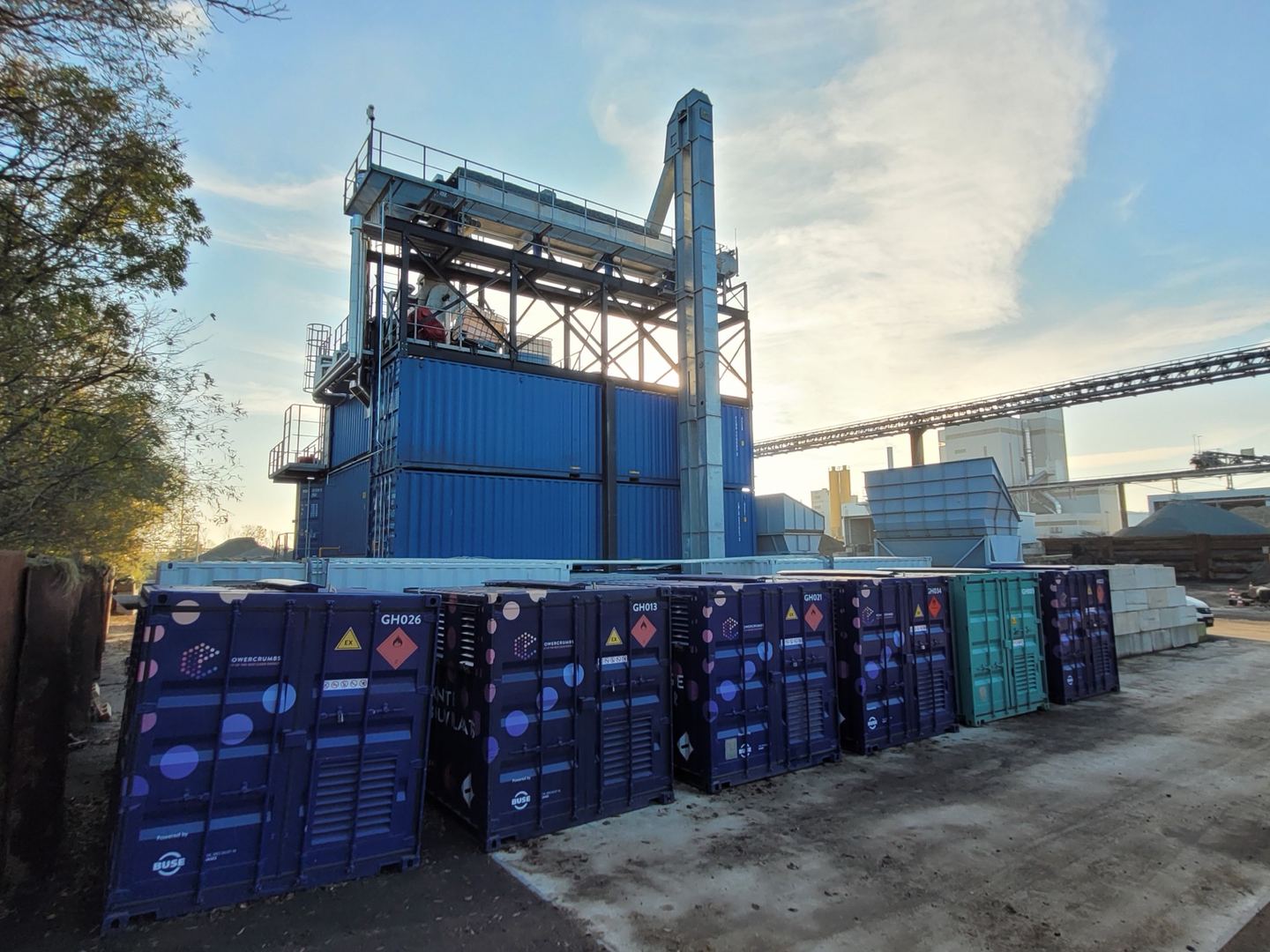
Process heat and power on biogas, next to your existing installation. The chain connects to your consumption, as gas or as power, and the evidence file comes with it, per reporting period.
How your delivery works
Alongside your process, without modifications.
The chain connects to your existing consumption, gas or power, and the evidence file comes with it automatically.
STEP 01
Baseline
Your current gas consumption, gas price and CO2 baseline. That shows what biogas costs and yields, and whether the business case adds up.
STEP 02
Connection alongside your process
Powerbox units supply biogas next to your installation, as gas or converted into power, without modifying the process.
STEP 03
Swap on your production rhythm
Full units arrive, empty ones leave, planned around your production rhythm, even in continuous operation.
STEP 04
Ongoing evidence file
Origin, deliveries and measurements per reporting period, usable for CSRD and RED III reporting.
What changes for you
What changes at your installation.
Little changes in the process, a lot in what you can say about it.
At the installation
The delivery connects to your existing gas infrastructure, or as power to your installation. No modification of the process; we determine the configuration during the intake meeting.
If you are already electrifying in part, the two reinforce each other: electrify what you can, and use biogas for the part that cannot yet. The evidence file shows, per stream, what you are replacing.
To what you can demonstrate
Per reporting period: origin per batch, delivery log and metered consumption. A file you forward to your accountant or auditor without any explanation.
How the evidence is put togetherWhat you pay and why
What biogas costs and returns.
You decide with your own numbers. The business case works it out next to hydrogen and next to doing nothing.
What the business case does
- You enter gas consumption, gas price and, optionally, your units and selling price.
- The model calculates additional costs, avoided emissions and the net position per scenario.
- Next to hydrogen and next to doing nothing: natural gas with ETS costs passed through and the risk of non-compliance.
- Assumptions are shown with source and date alongside the outcome.
Without an account
The business case calculates straight away, without an account or email address. If you want to map your situation first, the scan starts there; or you schedule a talk with Ellen.
Explore your business case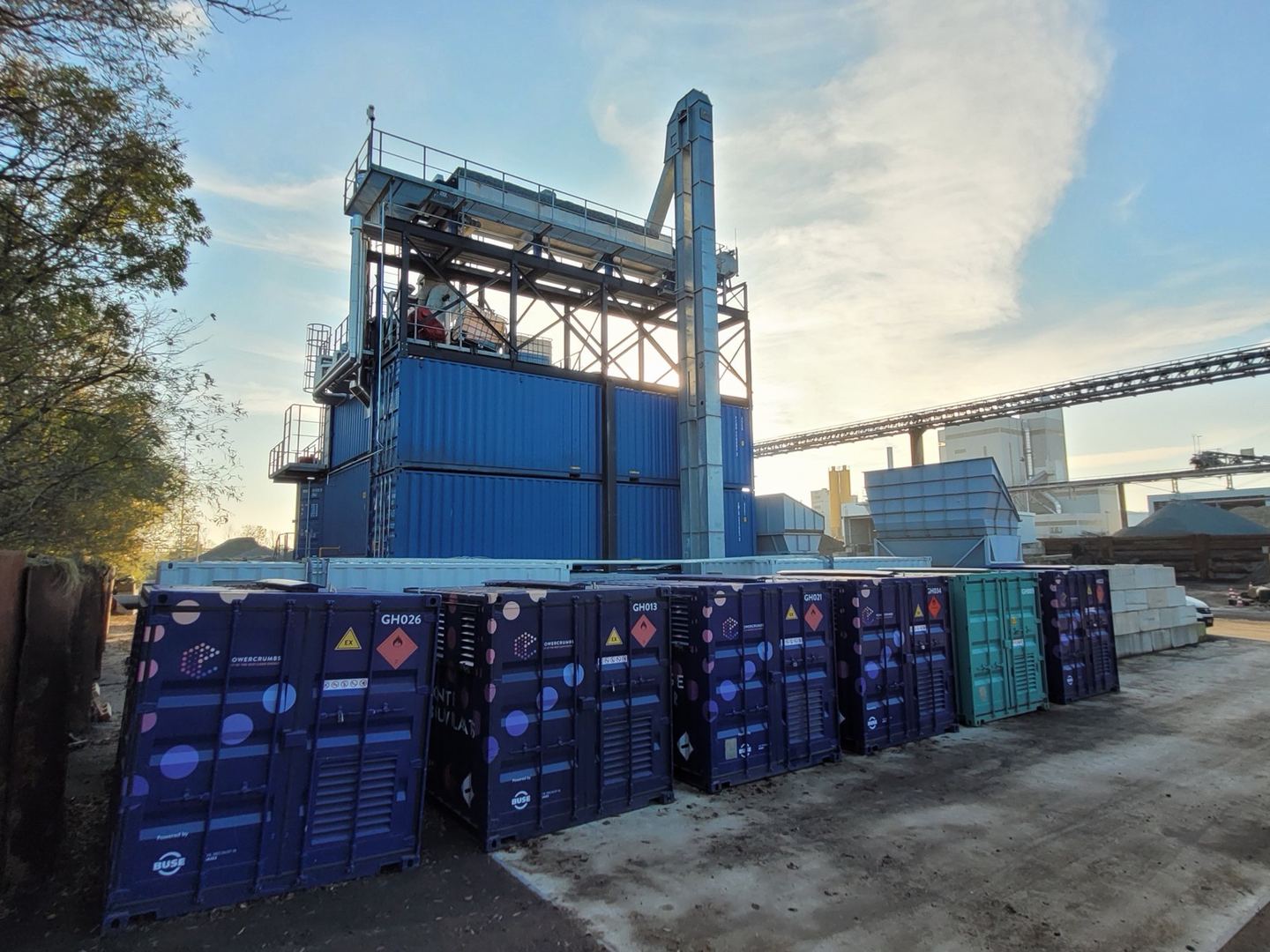
Where electrification is possible, that is the more logical route.
Electrification stays the end goal where the grid can handle it and the process can run on electricity. Hydrogen is a serious future route for anyone inside a cluster or a subsidised chain. Biogas from the chain is the route for the part that has to be replaced today and cannot run on electricity yet. The scan tells you if another route suits you better.
The routes side by sideFrequently asked questions
What operations and sustainability ask us first.
How does this integrate with our existing process?
The delivery connects to your existing gas infrastructure, or as power to your installation. No modification of the process; we set the configuration in the intake meeting.
We are already partly electrifying; does that clash?
No, they reinforce each other. Electrify what you can; use biogas for the part that cannot yet. The file shows per stream what you are replacing.
Which volumes does this make sense for?
That depends on the application, from sub-processes to continuous consumption. The business case and the scan give a first picture; the conversation makes it concrete.
What if the business case does not add up?
Then the model says so, with the assumptions and sources alongside.
First step
Explore your business case.
Your own gas consumption, gas price and CO2 baseline; what biogas costs and delivers, alongside hydrogen and alongside doing nothing.

Ellen Your first point of contact
Prefer to talk it through first? Ellen will set up a short 20-minute call, via Teams.