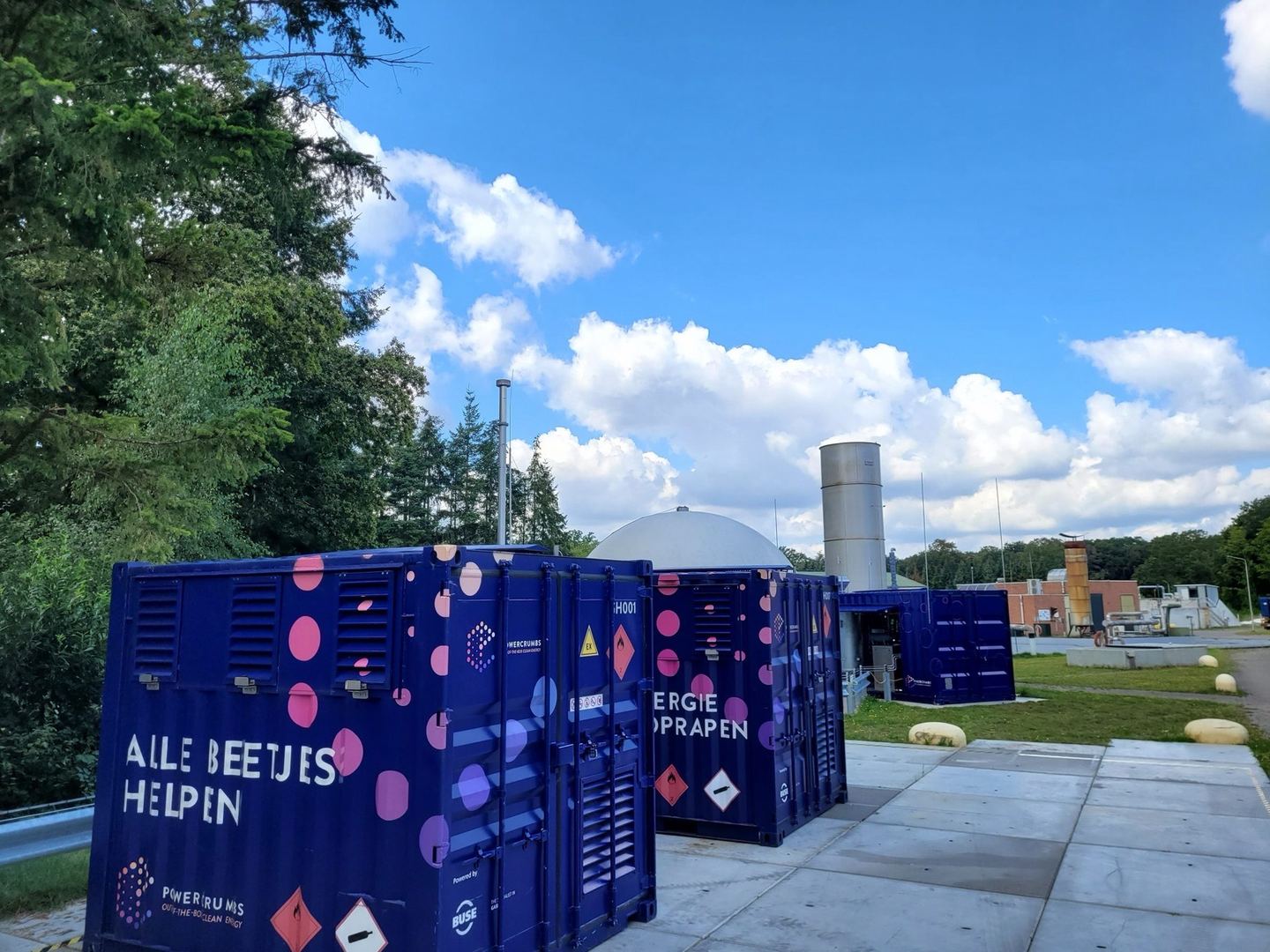
For digesters, WWTPs and biogas plants
Your feedstock as a source in the chain.
Digesters, WWTPs and biogas plants with gas you can't place or that gets curtailed: the chain physically collects it, takes it to users who ask about origin and keeps your name on it.
Does this sound familiar?
Gas you produce but don't turn into value.
You have a plant that makes gas and a reason to do more with it than you do now. Three situations where the chain adds something.
Grid injection isn't an option everywhere, or doesn't pay
Grid capacity, location or cost make injection limited or unattractive. Curtailing production is then what happens in practice.
Curtailing and flaring is lost value
Every cubic metre that isn't put to use is lost value: financially and in your sustainability story.
With grid injection your origin doesn't travel with the gas
If you inject into the grid, you deliver into the gas pool. Your local, traceable gas can no longer be recognised as yours there; in the chain your name stays on it.
How qualification works
From your plant to a source with a name.
A source only enters the chain once it can show what it delivers. Not every stream fits; the assessment says what is and isn't possible.
STEP 01
Site assessment
Volume, quality, continuity and location of your production mapped out, and what that is worth in the chain.
STEP 02
Connection to the hub
Your plant becomes a source in the chain: compression and storage at the source, we arrange the logistics.
STEP 03
On the move to users
Your gas goes to construction sites, industry and locations that specifically ask for traceable gas.
STEP 04
Origin in your name
Every evidence file the user receives states where the gas comes from: your plant, by name.
What a source gets in return
An outlet, and your name in the evidence file.
Grid injection remains a good route where it's possible and pays off. This is what the chain adds for the gas where that isn't the case.
An outlet for gas you currently can't place
Structural consumption for the share of your production that is curtailed or that you can't inject into the grid. We respect existing offtake agreements; the chain is there for the part alongside them.
Your name in the user's evidence file
Every batch carries an origin marker, and your plant is listed as the source in the end user's evidence file. What you produce stays recognisably yours.
How the evidence is put together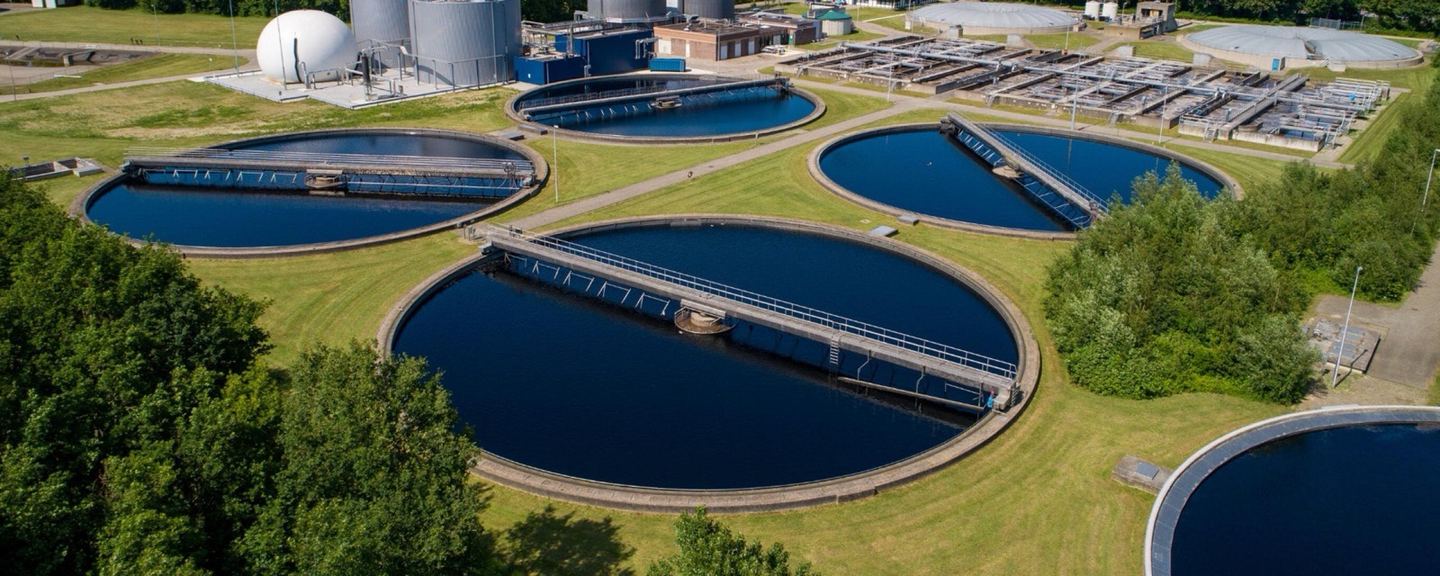
Frequently asked questions
What producers ask us first.
What volumes does this work for?
From a partial stream to continuous production; the site assessment gives a first indication of whether the logistics add up. If they don't, you'll hear that.
I already have an offtake agreement; can this run alongside it?
Often it can: the chain is of interest precisely for the part you currently can't place or that is curtailed. We respect existing agreements.
What quality requirements apply?
The assessment checks composition and treatment. Not every stream fits straight away; the assessment says what would be needed.
Does my name really stay in the chain?
Yes, that's the point of Source. Every batch carries an origin marker, and your plant is listed as the source in the end user's evidence file.
First step
Have your site assessed.
Describe your plant, your volume and what you do with it at the moment. You'll get back whether and how the source fits the chain.

Arjen Market and regulation
Want to know what a client, a tender or an auditor asks of you? Arjen knows the market and the framework: RED III, CSRD, tender requirements, and what of that ends up in your contract.
Or first talk to Ellen?